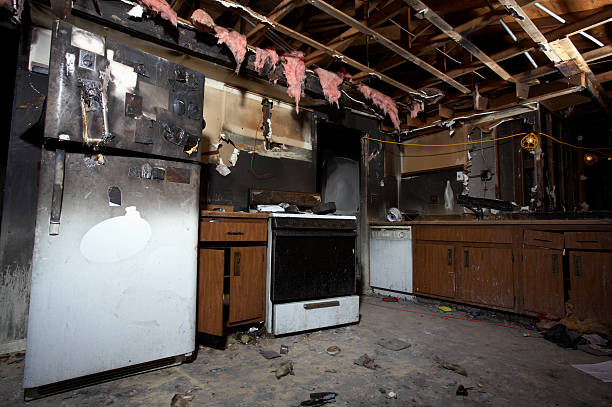
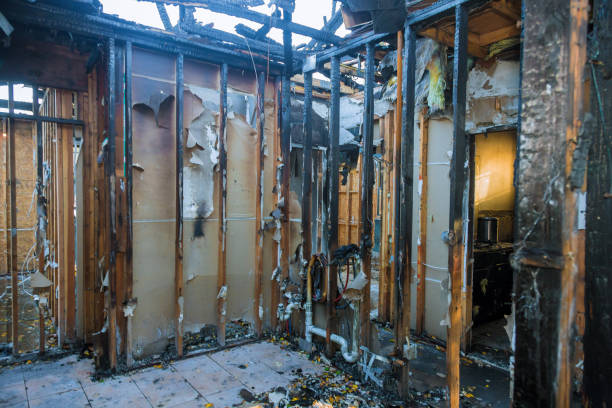
Soot behaves differently on porous drywall than it does on non-porous tile or metal, and our Shields, MI technicians adjust technique accordingly.
📞 Call +1-866-484-1409 Now
Chemical sponges lift soot instead of smearing it further into the surface.
Porous drywall gets different treatment than glass, tile, or metal.
Local crews mean faster arrival before damage compounds.
Fine particulate captured rather than recirculated into your Shields, MI property's air.

Sponges are swapped frequently, since a saturated sponge starts redepositing particulate.
Vacuuming first prevents particulate from smearing once surfaces get wet.
Tile, glass, and metal respond well to solvent cleaners that would stain something more absorbent.
Acidic residue on hardware and fixtures neutralized before pitting sets in.
Overhead surfaces carry the heaviest particulate load and need careful sponge technique.
Cleaned on the same visit, not a separate appointment.
A technician answers and mobilizes the fastest available crew.
Crews arrive with HEPA vacuums and dry-chemical sponges on board.
You approve the scope before any sponge touches a surface.
Nothing closes out until you've inspected the result.
"We tried wiping the soot down ourselves and just smeared it worse across the wall. Their dabbing technique actually lifted it cleanly." — Homeowner, Shields
"They caught the soot on our kitchen faucet before any real pitting started, which the adjuster said saved us a hardware replacement claim." — Homeowner, Shields, MI
"I didn't expect the vacuum step to matter, but the carpets ended up much cleaner than our attempt." — Homeowner, Shields
Wiping tends to smear fine particulate deeper into porous surfaces.
We prioritize metal fixtures early specifically because of that window.
Yes, porous and non-porous surfaces respond to completely different agents.
Particulate removal and odor neutralization are related but distinct services.
Yes, HEPA extraction handles soft surfaces before any wet cleaning starts.
We keep response times short across Shields because soot corrosion is time-sensitive.